Navigating the Irish Healthcare System

In 2021 a study exploring Irish Pain Services found that there are too few pain clinics in Ireland, and many people have to wait a long time to get treatment. The study highlighted 3 key points;
Unequal access: Some areas have better access to pain care than others. If you live in a rural area it can be more challenging to find treatment.
Limited treatment options: Most clinics focus on medication and medical procedures, but psychological support and physiotherapy (which are important for managing chronic pain) are not always available.
Long wait times: Many patients wait months or even years to see a pain specialist and the delay can mean their pain gets worse.
There is no simple answer to the findings of this study but we do know that increasing your knowledge in your condition can help you to find the supports you need and advocate for yourself.
Advocating for yourself means actively speaking up for your own needs, rights, and interests, whether in personal, professional, or healthcare settings. It involves understanding your own values and effectively communicating your concerns or desires to others.
Self-advocacy requires confidence, self-awareness, and the ability to seek out and use available resources to support your goals. In healthcare, it means asking questions, seeking second opinions, and ensuring you receive the care that aligns with your needs. Ultimately, self-advocacy is about taking an active role in shaping your life and ensuring that your needs are acknowledged and respected.
It can be challenging if you are feeling vulnerable to self-advocate, the resources below can help you plan for healthcare appointments and what to look out for when finding healthcare professionals to help support you with your pain.

What People Living in Ireland Say About Their Experiences With Healthcare Services
“Half of them don't want to know and half of them don't seem to understand”
— Mike 47, living with Neuropathic Pain

“I think primarily he just cared about my quality of life, and he really wanted to in so far as possible, to have me kind of back out there. And yeah, he showed that he cared, and he put himself out there to try and do anything that he could within his capacity”
— Tom 41, living with Neuropathic Pain

For a consultant you probably have a 15-minute window to try and explain what has been going on for potentially like 6-months and go through kind of what your treatment plan was and then what your new treatment plan will be and dancing all that into 15-minute slot it's just, it's not doable the legs had been kicked out from under me
— Naomi 38, living with Chronic Migraine
5 qualities to look for in your healthcare professional when seeking support from chronic pain
That they believe you
That they listen to you
That they share decisions with you
That they treat you as a whole person
That they empower you
This Blog by Kate Sheridan on RTE Brainstorm will help you identify the healthcare professionals you need to support you on your pain journey.

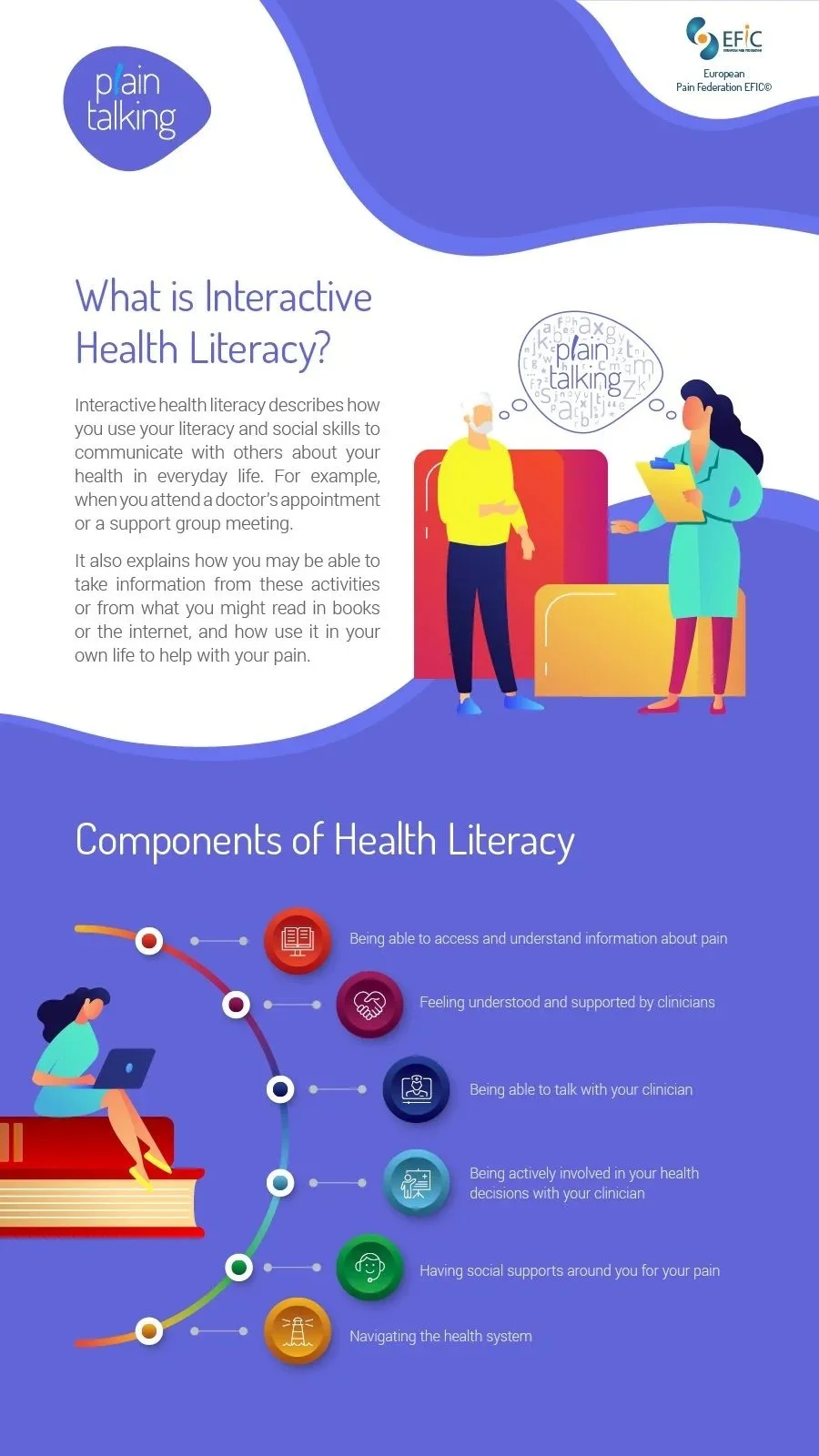
Sometimes, living with pain can affect our confidence, especially when it comes to healthcare appointments—particularly if we’ve waited a long time to be seen.
The European Pain Federation has created helpful resources to guide you in preparing for appointments and offer practical tips on how to make the most of your time with healthcare professionals.
Remember, you are the expert in your own pain. By working together with your healthcare provider, you can find an approach that suits you best. Your appointment is your time—don’t hesitate to ask questions and share what matters most to you.